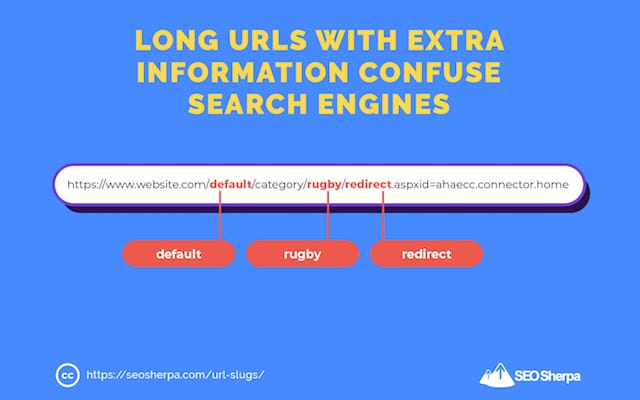
A clean, concise URL structure is one of the simplest yet most overlooked aspects of SEO. While content and backlinks often take the spotlight, your URL slug — the portion of the address after the domain — plays a key role in crawlability, ranking signals, and user trust. Unfortunately, many websites unknowingly harm their SEO through messy or overly complex slugs. Let’s explore the most common URL slug mistakes and how to fix them.
1. Parameter Soup and Tracking Overload
Dynamic parameters like ?id=123&ref=tracking&utm_source=email may be necessary for analytics or filters, but overusing them leads to what’s often called “parameter soup.” These URLs create multiple versions of the same page, causing duplicate content and diluting link equity.
Fix: Use clean, descriptive paths (e.g., /blue-running-shoes/) instead of parameter-based URLs. If parameters are unavoidable, define canonical URLs to indicate the preferred version to search engines.
2. Session IDs in URLs
Session IDs — strings like ?sessionid=AB12C3D4 — were once common for tracking visitors but now cause major SEO headaches. They generate countless unique URLs for the same content, confusing search engines and wasting crawl budget.
Fix: Store session data in cookies instead of appending IDs to URLs. This prevents search engines from indexing multiple duplicates of the same page.
3. Excessive Directory Depth
Deeply nested URLs like /products/men/shoes/sports/running/2025/new-arrivals/ may look organized but can bury content too far from the homepage. Both search engines and users prefer shorter, direct paths that clearly communicate hierarchy.
Fix: Keep slugs flat and simple — ideally two to four levels deep. For example, /men-running-shoes/ conveys the same meaning in a cleaner structure.
4. Keyword Stuffing and Unreadable Slugs
Stuffing URLs with keywords or filler words (e.g., /best-affordable-quality-running-shoes-online-store/) can appear spammy. Not only does it harm readability, but it also provides minimal SEO value.
Fix: Focus on one or two primary keywords and natural readability. Shorter slugs are easier to share and remember.
5. Ignoring Canonicalization
If multiple URLs lead to the same content — for example, /product?id=123 and /blue-running-shoes/ — search engines might split ranking signals between them.
Fix: Use canonical tags to point to the preferred version of the URL, ensuring that all link equity is consolidated.
Final Thoughts
Your URL structure reflects your website’s overall organization. Clean, descriptive, and consistent slugs not only help search engines understand your pages but also make users more likely to click and trust your content. By eliminating parameter clutter, avoiding session IDs, and flattening your hierarchy, you build a stronger technical foundation for long-term SEO success.

